Driving Tips
Do pedestrians have the right of way?
The Highway Code rules for drivers and pedestrians
Ryan Barham
Last updated: 03/06/2026
Ryan Barham
Last updated: 03/06/2026
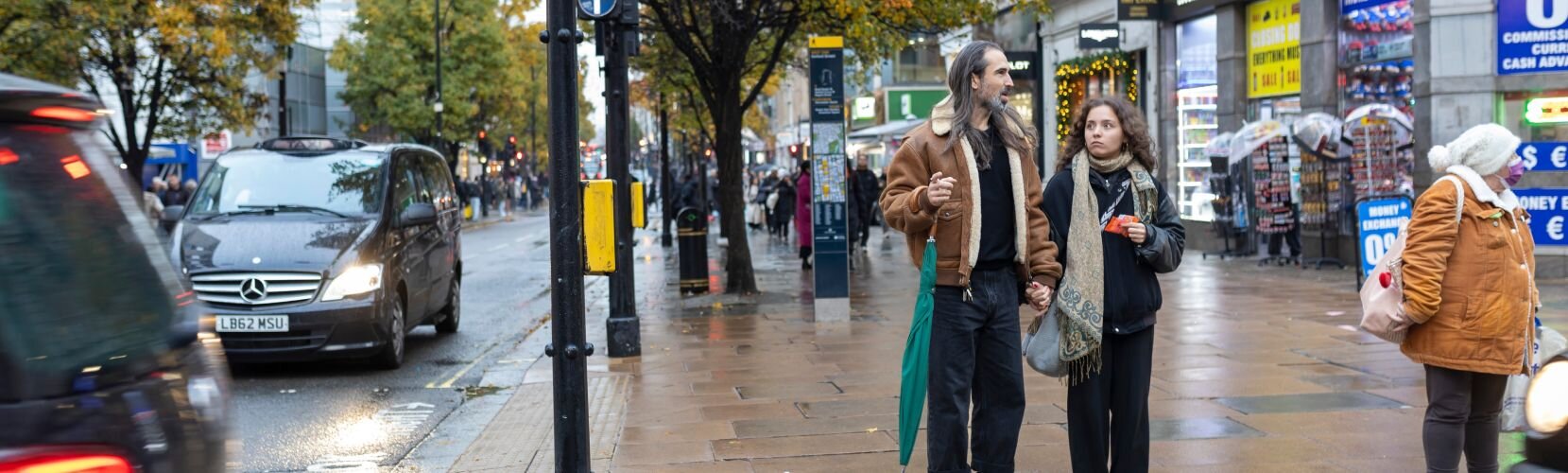
Did you know that every junction with a pavement is a pedestrian crossing?
This means pedestrians have priority (the Highway Code’s chosen term over right of way) and drivers should stop for everyone who is waiting to cross the road, not just those already crossing.
Brought in in 2022, Rule H2 is a change to the Highway Code where, according to the Daily Record, “even seasoned drivers aren’t getting it correct”. The change was intended to form a fresh ‘hierarchy of road users’ that should provide better protection for those not in a motor vehicle.
If you’re found guilty of breaking Rule H2, you could be found guilty of careless or inconsiderate driving and face the following:
The following is the description of Rule H2 in the UK government’s introduction to the Highway Code:
At a junction you should give way to pedestrians crossing or waiting to cross a road into which or from which you are turning.
You MUST give way to pedestrians on a zebra crossing, and to pedestrians and cyclists on a parallel crossing (see Rule 195).
Pedestrians have priority when on a zebra crossing, on a parallel crossing or at light controlled crossings when they have a green signal.
You should give way to pedestrians waiting to cross a zebra crossing, and to pedestrians and cyclists waiting to cross a parallel crossing.
Horse riders should also give way to pedestrians on a zebra crossing, and to pedestrians and cyclists on a parallel crossing.
Cyclists should give way to pedestrians on shared use cycle tracks and to horse riders on bridleways.
Only pedestrians may use the pavement. Pedestrians include wheelchair and mobility scooter users.
Pedestrians may use any part of the road and use cycle tracks as well as the pavement, unless there are signs prohibiting pedestrians.
The DVSA’s Safe Driving for Life website states ‘the hierarchy places those road users who are most at risk in the event of a collision at the top of a ‘scale’ or hierarchy. Pedestrians are at the top, because their lack of protection makes them extremely vulnerable in an incident. Next, we have cyclists, horse riders and motorcyclists. Below that we have car and van drivers, and that leaves us with bus and lorry drivers at the bottom.’
It then goes on to confirm that the lower you are in the hierarchy, the more harm you and your vehicle can cause. The H rules are designed to remind every road user (drivers, passengers and pedestrians) how important road safety is.
These H rules mean that drivers of large vehicles like HGVs and cars have the greatest responsibility to keep themselves and others safe while on the road.
A pedestrian has priority if they are waiting to cross or already crossing a junction into which a vehicle wants to turn. The driver of the vehicle must give way but can start driving again once the pedestrian has safely crossed.
This applies when entering or exiting:
When approaching any of the above, you should start slowing down and look out for both the kerb line and crossing points. Prepare to stop if a pedestrian walks out and don’t wave them across if it could put them in danger.
Pedestrians crossing or waiting to cross a road into a T junction also have priority over a driver turning into one.
Drivers and cyclists must give way to pedestrians waiting to cross, not just those who are already on the crossing.
Drivers must give way to pedestrians and cyclists who are waiting or have moved onto this type of crossing. It’s worth noting that a parallel crossing with a central island should be treated as two separate crossings.
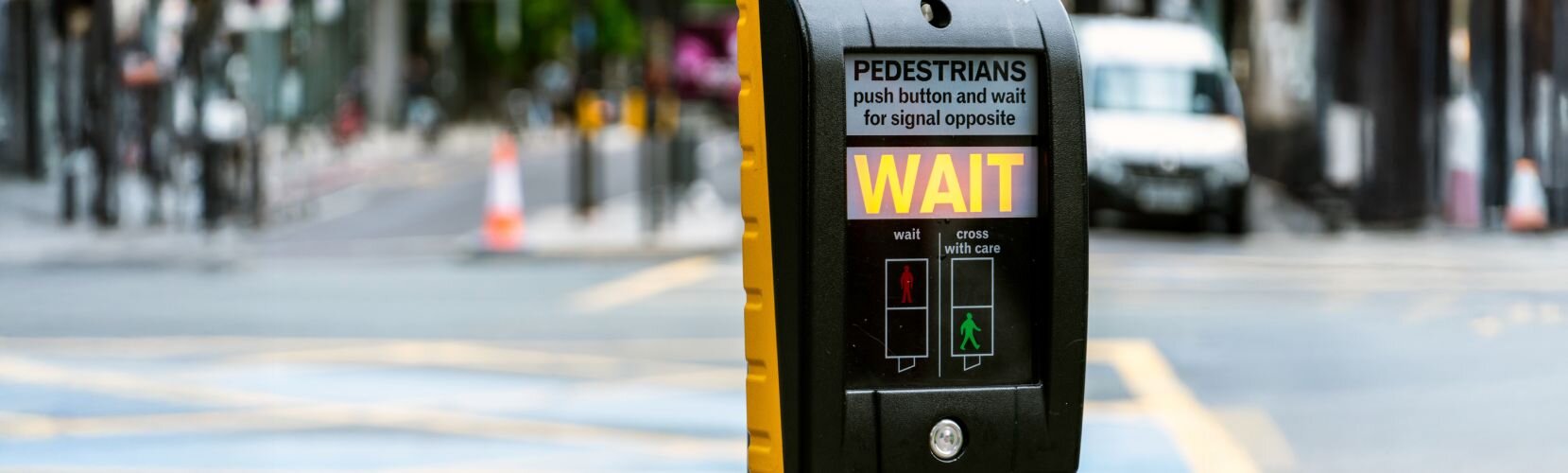
Drivers must wait for pedestrians who are crossing on pelican, toucan, puffin and equestrian crossings.
If you’re confused by crossings, you should read Tempcover’s guide to the different types of pedestrian crossing.
Unmarked crossroads tend to be found in quieter areas such as rural locations or residential areas. Nobody has priority at these unmarked crossroads, but the Highway Code does advise drivers to approach them with caution, slowing their speed and preparing to stop to avoid any accident.
As mentioned earlier in this post, right of way is not the preferred term in the Highway Code. When it comes to pedestrian crossings, there is a focus on responsibility - and how pedestrians have this when it comes to crossing.
Even with priority, pedestrians have to be careful and road aware, taking care to look out for oncoming traffic and not step into the road when they could put themselves in danger.
An effective way to do this is to think back to the steps of the Green Cross Code:
Although some drivers may still believe pedestrians only have priority once they have physically stepped into the road, the H2 rule change means it now includes those who are waiting to cross.
Drivers should anticipate pedestrians at every junction. Make sure you keep your eyes on the pavement, as well as the road, before making a turn and prepare for people (especially children!) to run into the road in the blink of an eye.
Pedestrians should also take responsibility for road safety. Even though they now have priority at junctions and crossings, it’s important to look both ways and ensure a driver has seen you before setting foot on the road. Be especially careful of speeding drivers.
https://www.highwaycodeuk.co.uk/rules-for-pedestrians.html
https://www.highwaycodeuk.co.uk/pedestrian-crossings.html
https://www.gov.uk/guidance/the-highway-code/introduction
https://www.gov.uk/guidance/the-highway-code/rules-for-pedestrians-1-to-35
https://www.safedrivingforlife.info/blog/cars/the-highway-code-and-the-new-hierarchy-of-road-users/
https://www.dailyrecord.co.uk/lifestyle/motoring/highway-code-rule-change-drivers-36159119
https://www.walesonline.co.uk/news/wales-news/law-involving-pedestrian-right-way-31931347
https://www.rac.co.uk/drive/advice/legal/new-highway-code-rules-what-you-need-to-know/
We also currently hold an ‘Excellent’ rating on Trustpilot with over 50,000 reviews.