News outlets are reporting that UK motorists can expect to pay higher fuel costs due to the troubles in the Middle East, with BBC News saying ‘Wholesale oil and gas prices have surged since the conflict began on 28 February, with the production and transportation of energy across the Middle East slowing or stopping due to missile strikes and drone attacks’.
This report confirms that crude oil is a key ingredient in petrol and diesel, with 45% rises per barrel roughly equating to an increase of 7p a litre. These increased costs are something all of us are likely to face and while the price is beyond our control, there are things you can do to improve your vehicle’s petrol consumption.
What reduces fuel consumption?
There are a number of ways you can save petrol, from the simple (walk or take public transport to the shops) to the unexpected (leave that stop-start feature on!). These tips can be separated into three categories:
- Change your driving habits.
- Regular vehicle maintenance.
- Planning ahead.
How changing driving habits can help save petrol
You can save petrol while driving by following these tips:
- Accelerate gently - Try to drive your vehicle as smoothly as possible, avoiding jerky or harsh movements.
- Change gears early - Drive in the highest gear possible to keep the revolutions per minute (RPM) low.
- Avoid unnecessary braking - Anticipate what’s going to happen ahead of you on the road. If you can see a red light or queue, take your foot off the accelerator early.
- Use Cruise Control correctly - Cruise Control will only help save fuel on a constant, flat surface such as a motorway. It will increase consumption on more diverse or hilly terrain.
- Manage your speed - Drive to the speed limits, as driving above them uses more fuel and is illegal. If you get caught speeding, you could face penalties, points or a speed awareness course.
- Don’t turn off your stop-start technology - Even though it infuriates some drivers, The RAC confirms using the stop-start feature can save you fuel. It’s more fuel-efficient than idling, where the average family can use up to half a gallon. That’s enough to travel around 25 miles.
- Turn off your air con - Only use your AC when necessary as it drains the power from your engine. Open a window if driving at lower speeds and use your vents when driving at a higher speed.
Maintenance tips to improve petrol consumption
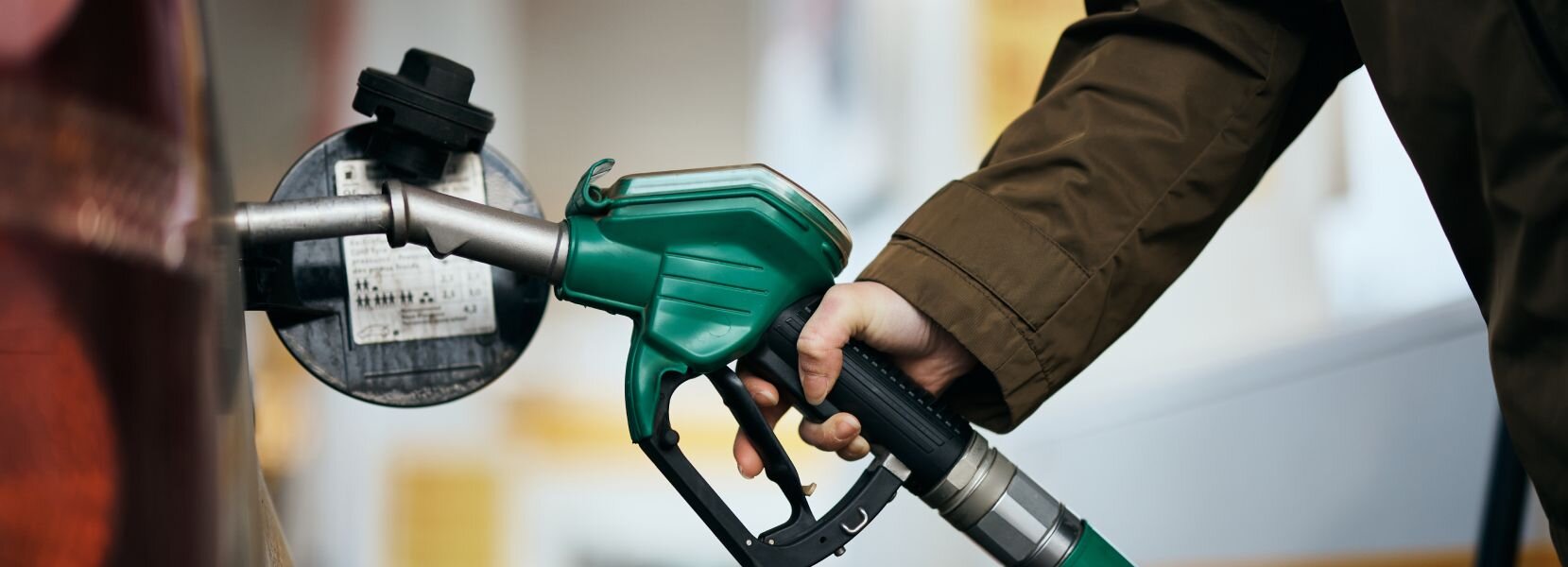
Take care of your vehicle and it can return the favour when you want to improve your petrol consumption.
- Check your tyre pressure - Driving on under-inflated tyres can create more resistance, which in turn forces the engine to work harder - using up more petrol.
- Perform your basic engine maintenance - Top up your oil and keep the engine clean to help petrol last longer. Following the FORCES (Fuel, Oil, Rubber, Coolant, Electrics, Screen wash) method can help keep your car working efficiently.
- Change the fuel you use - If you want to drive further, it could be worth changing the type of fuel you use. Lower-emission and premium types can cost more but will give you extra miles.
Extra weight requires extra fuel to get a vehicle moving. Lightening the load of your car to help make it more aerodynamic can also reduce the amount of fuel you use:
- Empty your boot and anything left on spare passenger seats.
- Remove roof racks and boxes.
Planning ahead to save fuel
In addition to using the government’s fuel finder or tools and apps like the RAC’s Fuel Watch to find the cheapest petrol stations, you can save money by:
- Combining your journeys - Long journeys are more efficient than several short journeys as the engine stays warm.
- Reverse parking - Maneuvering into a space when your car’s engine is warm will save fuel when you leave later.
- Following a route planner - Set your GPS and follow its directions to avoid using petrol stuck in traffic jams.
- Refuelling earlier - Don’t leave it too late and wait for the low fuel warning light to come on. Fill up on a more regular basis.
Are there any other ways I can save petrol?

Yes, you could save petrol by car sharing on your commute to work (don’t forget to take out temporary car insurance if you both want to take the wheel), walking to your destination if it’s only a short distance away or using public transport to get where you need to go.
Sources
https://www.bbc.co.uk/news/articles/c20zgjzz0e4o
https://www.bbc.co.uk/news/business-61745697
https://www.independent.co.uk/travel/news-and-advice/petrol-price-cost-increase-oil-b2934687.html
https://www.rac.co.uk/drive/advice/fuel-watch/
https://www.rac.co.uk/drive/advice/how-to/fuel-saving-tips/
https://www.rac.co.uk/drive/advice/driving-advice/cruise-control/
https://www.esso.co.uk/en-gb/tips
https://www.halfords.com/car-repairs/advice/7-ways-to-improve-your-fuel-consumption-today.html
https://www.carwow.co.uk/editorial/owning-a-car/everyday-car-tips/how-to-drive-more-efficiently-save-money
https://www.carwow.co.uk/news/10377/fuel-prices-rising-how-to-save-money

