Learning to drive
What are the minimum eyesight requirements for driving in the UK?
Can you take an eyesight test for driving?
Ryan Barham
Last updated: 03/06/2026
Ryan Barham
Last updated: 03/06/2026
The condition of drivers’ eyesight has been in the news recently with the possibility of mandatory eye tests for older drivers coming in.
But do you know what the legal driving eyesight requirement is? And just how clear does your vision have to be to pass a driving test eye test?
Having good eyesight is a legal requirement under the Road Traffic Act 1988. Remember, you could be prosecuted if you drive without meeting the standards of vision for driving. You could also be responsible for causing an accident, which could leave you with penalty points or fines to pay…
You need to have a normal field of vision in at least one eye and have no issues with double vision.
You’ll have to take a quick eye test at the beginning of your practical driving test. This simple test will find the examiner asking you to read a number plate from 20 metres (roughly five car lengths) away.
You’ll have three attempts at this and can wear your glasses or contact lenses if needed. If you fail each attempt, you’ll automatically fail your driving test and your licence will be revoked.
You can reapply for your driving licence but you’ll have to take a DVSA driving test before getting behind the wheel.
You have to tell the DVLA if you have a problem with eyesight that affects both of your eyes or the remaining eye if you only have one. After reporting these medical conditions, the DVLA may refer you to a free and compulsory eye test with their contracted optician.
If you prefer to use your regular optician, you can, but you’ll have to pay for the test and the DVLA does not guarantee they’ll accept this one.
You must tell the DVLA if any of the following apply:
Conditions including glaucoma, diabetic retinopathy, or cataracts can also affect your ability to drive. If you have any concerns, you can seek advice from your GP, optician or an eye specialist.
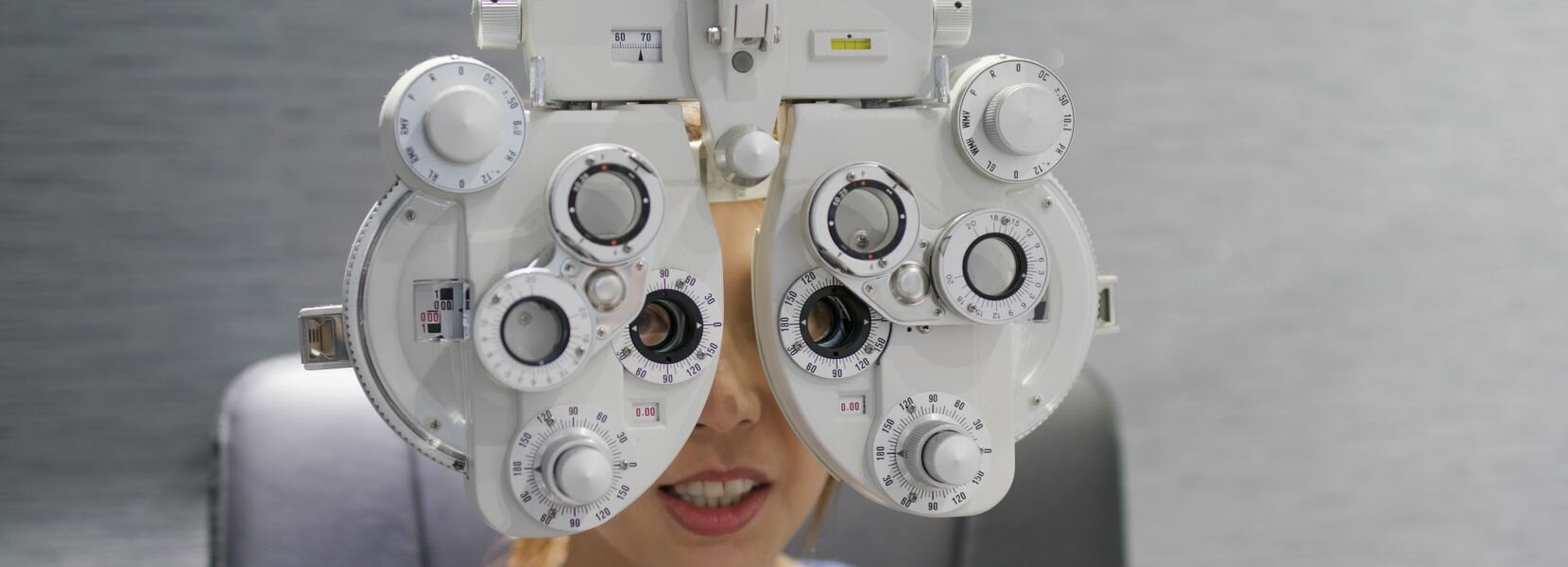
If you’re sent to a DVLA eye test, you can expect to go to a local Specsavers optician for the following:
You’re allowed to take the visual field test three times.
Your results will be sent to the DVLA, who will inform you of them in writing within a few weeks. You can continue to drive after the test unless told otherwise e.g. if the visual acuities do not meet minimum eyesight standards.
There isn’t an official driving eyesight test but you are legally responsible for ensuring your own eyesight is up to a high enough standard when it comes to driving. It’s recommended that you take a regular eye test every two years.
If you notice a problem with your eyesight, you should get it checked out straight away. As the RAC says, “If you’re caught driving without the high enough standard of vision for driving, you could be prosecuted, or even cause an accident.”
While you can test your vision at home, the results of an online test will not be deemed acceptable by the DVLA.
The latest DVLA rules state you must be able to read a car number plate made after 1 September 2001 from 20 metres away (with glasses or contact lenses if needed). Despite this being a rule for a number of years, it’s important to stay updated on the latest medical and eyesight requirements when it comes to driving.
The driving eyesight rules page on the UK government’s website state: ‘You must also meet the minimum eyesight standard for driving by having a visual acuity of at least decimal 0.5 (6/12) measured on the Snellen scale (with glasses or contact lenses, if necessary) using both eyes together or, if you have sight in one eye only, in that eye.’
Your vision is important, not just for driving but your day-to-day life. If you have any concerns, it’s important you visit an optician as soon as possible.
If you’re worried about how safe it is to drive, why not cover somebody else to drive you around with temporary car insurance? Available from 1 hour to 28 days, it’s flexible and has no impact on your existing policy.
https://www.gov.uk/driving-eyesight-rules
https://www.autoexpress.co.uk/consumer-news/352359/driving-eyesight-rules-explained
https://www.specsavers.co.uk/eye-test/what-happens-in-a-dvla-eye-test
We also currently hold an ‘Excellent’ rating on Trustpilot with over 50,000 reviews.