Driving Tips
What is the hard shoulder?
How much can you be fined for driving on the hard shoulder?
Ryan Barham
Last updated: 03/06/2026
Ryan Barham
Last updated: 03/06/2026
While driving on a motorway, you’ve no doubt seen - or maybe even been - a motorist on the side of the road with a broken-down car, patiently waiting for a breakdown provider or recovery vehicle.
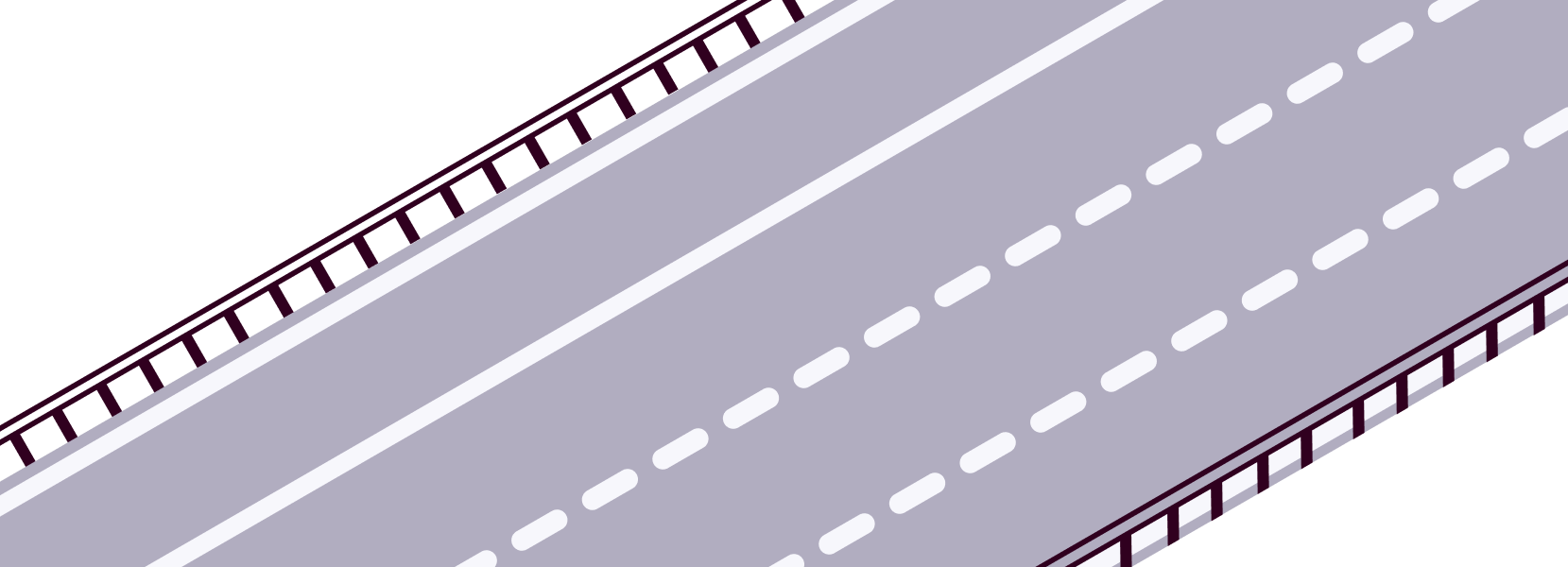
These cars tend to be parked on the hard shoulder, the lane on the far-left side of a motorway. National Highways confirms the hard shoulder is separated from the live traffic lanes by a solid white line.
It is illegal to drive on the hard shoulder, with penalties including a £100 fine and three points on your licence. The only exceptions for driving on the hard shoulder are:
It’s important to know the rules around the hard shoulder if you want to avoid driving penalties and stay safe while on the road.
When the UK’s motorway network was introduced in the 1960s, the shoulder was introduced as an extra safety measure. Initially, it was a soft earth, grass or gravel surface but this was found to be inadequate when heavy goods vehicles stopped on them.
When the surface was strengthened, this lane became known as the hard shoulder, although other countries continue to use the term shoulder or breakdown lane.
Hard shoulders are separated from the usual motorway driving lines by a solid white line. This often contains reflective red studs to mark the boundary and rumble strips that vibrate your car’s steering and wheels to stop you veering too far left. This helps prevent you from driving on the hard shoulder by accident.
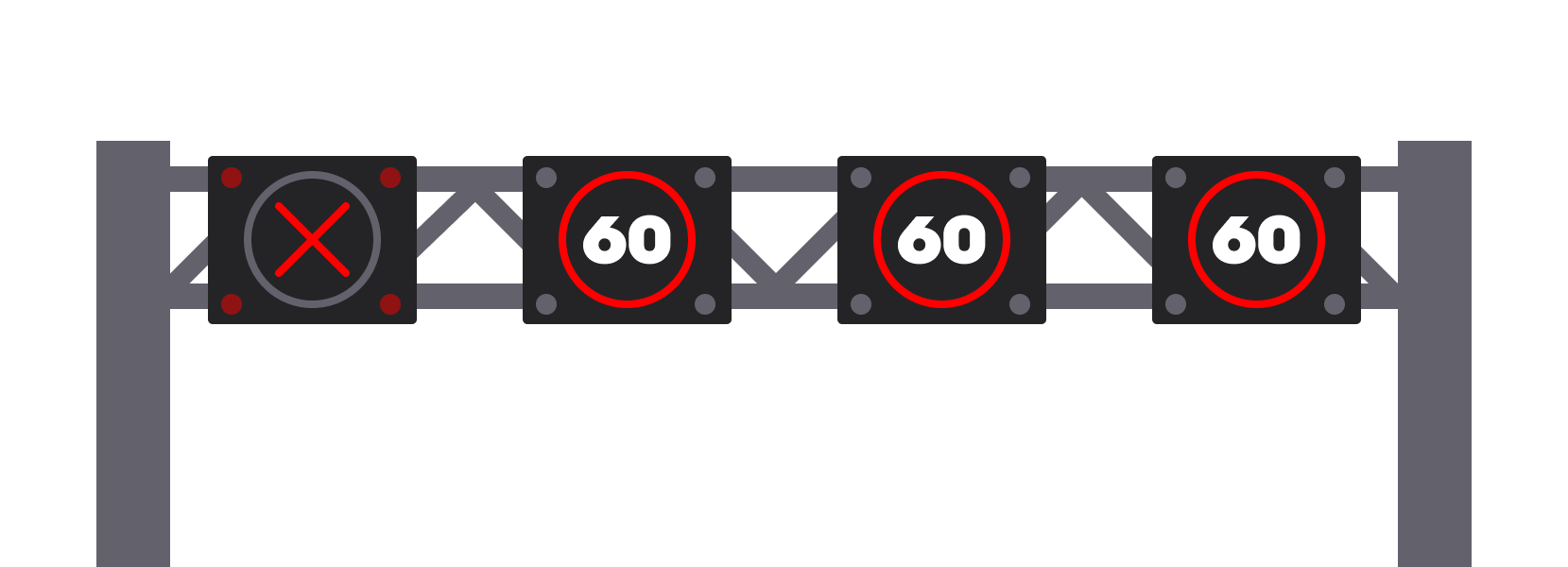
Not all motorways have hard shoulders. The AA confirms all-lane running motorways, or smart motorways, do not have them. This is because they use traffic management systems to help with congestion. Keep an eye on the signs above the road to see if you can drive on the hard shoulder.
Some A-roads may also not have hard shoulders. If you find yourself in trouble, put on your hazard lights and find a safe space to pull over before contacting your emergency breakdown provider and/or the police.
The hard shoulder is used as a running lane when the roads are busy on some smart motorways. This will be indicated by overhead signs.
If you break down on a live lane with no hard shoulder, try to stay calm and move into the left-hand lane with your hazard lights on. Only stop if it is safe to do so and you can’t make it to an emergency refuge area (ERA) or to the nearest service station. Call 999 so the police can close your lane.
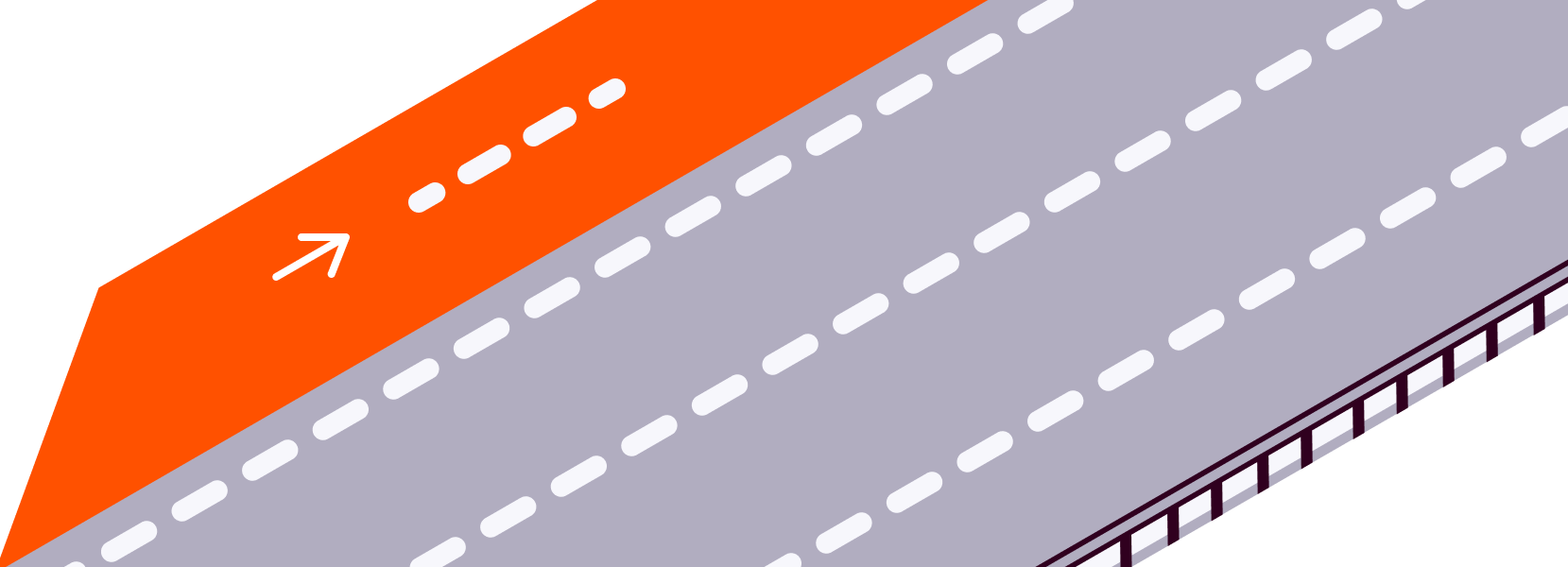
There are emergency refuge areas located on smart motorways where you can pull over safely. The distance between these varies, but you’ll never be more than 1.5 miles away. These ERAs often have an orange surface and blue signs with an SOS phone symbol.
The only times you should drive on the hard shoulder are if your car is breaking down or when directed to by the police or a National Highways officer/an overhead sign.
You can also stop in the event of a medical emergency, but not for a comfort break, taking a phone call or checking a map. Try and wait until the next service station to do any of these.
Although the hard shoulder was designed to keep people safe, it’s still incredibly dangerous to be so close to vehicles travelling at 70 miles per hour. If your car has broken down, you should exit the vehicle via the passenger door and stand behind any barriers. Don’t stay in the car as this can be dangerous for both you and other road users.
There are orange SOS phones located at one-mile intervals along the length of the hard shoulder. Free to use, they will connect you to the police or National Highways. Once you tell the operator the number on the phone and details about your situation, they will be able to help get you assistance.
If you’re driving past a vehicle that has broken down, take extra special care as you may hit either a static vehicle or emergency worker. If there’s room, move into the middle lane while overtaking the stationary vehicle and move back to the left-hand lane as soon as it is safe to do so (unless overtaking).
Once it is safe to do so, and only then, you should build up speed on the hard shoulder itself.
Signal clearly to let other drivers know that you are looking to come back onto the motorway,
Look for a safe gap in the left-hand lane of the motorway and begin to merge.
Be aware of blind spots as the cars in this lane may be travelling at a faster speed than you.
Heading off on a long journey? Don’t take any chances with breaking down. Tempcover gives peace of mind, whatever vehicle you’re driving.
Whether taking the wheel on a friend or family member’s car, or sharing the drive, we offer comprehensive temporary car insurance for as long as you need.
https://www.roads.org.uk/blog/rise-and-fall-second-hard-shoulder
https://nationalhighways.co.uk/road-safety/the-hard-shoulder/
https://www.rac.co.uk/drive/advice/driving-advice/what-is-the-hard-shoulder/
https://www.theaa.com/breakdown-cover/advice/hard-shoulders
Passing vehicles on the hard shoulder is illegal because it is strictly reserved for cars that have broken down, emergencies and emergency vehicles. Driving on the hard shoulder would be a massive risk and put the broken-down vehicles, their drivers and passengers and recovery workers at huge risk.
No, you cannot stop on the hard shoulder for a comfort break. The only reasons to stop on the hard shoulder are if your car is breaking down or you are experiencing a genuine medical emergency. The only other exception is if the police or overhead signs are indicating you to use the hard shoulder.
The fine for driving on the hard shoulder is £100. You will also receive three penalty points on your licence. There’s also a chance that the charge could be escalated to careless driving, which carries penalties of higher fines and even potential disqualification.
No, not all motorways have hard shoulders. Many modern smart motorways have converted the hard shoulder into a permanent driving lane (known as all-lane running). These smart motorways have designated Emergency Refuge Areas (ERAs) where vehicles can stop if they break down.
Related tags:
Temporary Car InsuranceWe also currently hold an ‘Excellent’ rating on Trustpilot with over 50,000 reviews.