Learning to drive
What’s the quickest way to learn to drive?
Tips to help you quickly learn to drive
Last updated: 03/06/2026
Last updated: 03/06/2026
Before learning to drive, there are a few things you need to do:
1. Get yourself a provisional licence
You need this to take your theory test and to start learning to drive. It costs £34 online or £43 by post. You can apply for your provisional driving licence on the UK government website.
2. Pass your theory test
There are two parts to the theory test: multiple choice, where you have to show that you understand the Highway Code, and hazard perception, where you must watch videos and flag where potential hazards are.
3. Find a qualified driving instructor
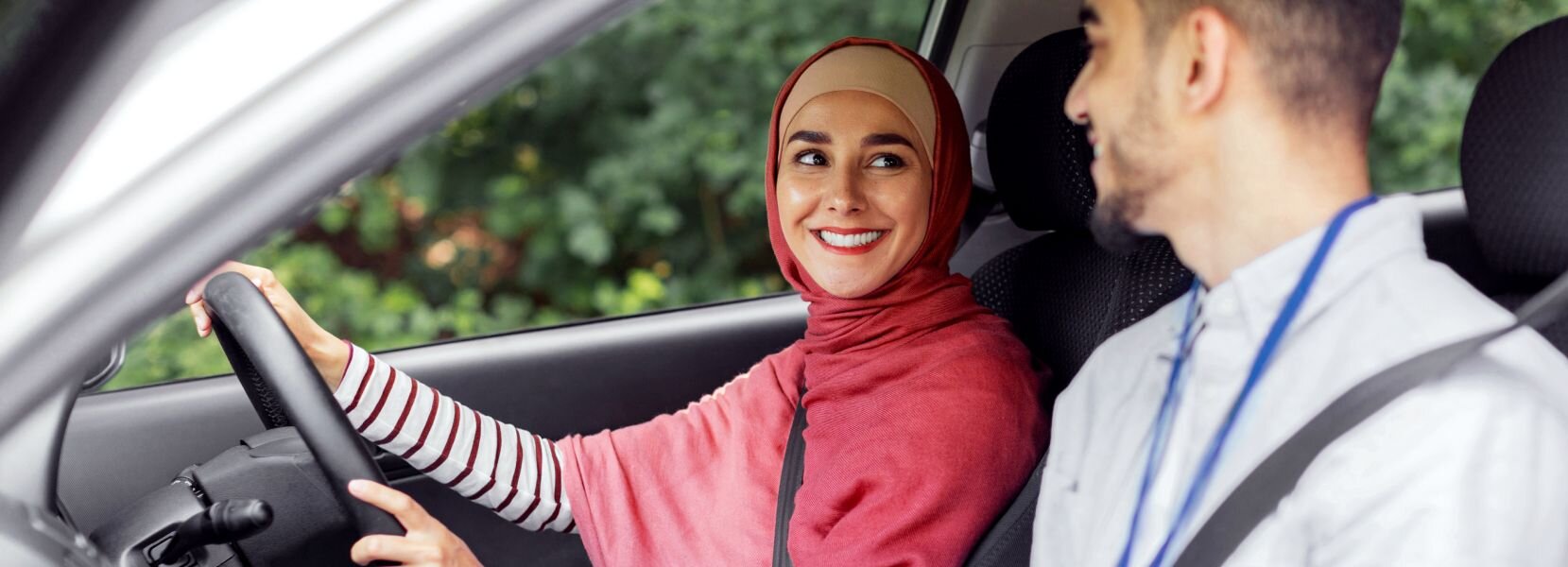
Research driving instructors who are local to you and book an initial lesson with them. Alternatively, ask a friend or family member to teach you how to drive.
If you are planning to practice outside of your lessons, you’ll also ideally need access to a car owned by a friend or family member.
You should also check you meet the eyesight requirements ahead of taking lessons. You must be able to read a number plate from 20 metres away. If you need glasses or contact lenses to do this, you must wear them whenever you drive.
Passing your driving test gives you the freedom to hop in the car and go where you want to go. But to reach that point, you’ll need to get comfortable behind the wheel and familiarise yourself with the road.
To help you, here’s the complete guide to learning to drive. We’ll answer some of the top questions and explain what you need to know to learn how to drive safely.
How long it takes for you to learn to drive depends on several factors. These include how long it takes to pass the theory test, how often you have driving lessons or practice, and how confident you feel out on the road.
You may find you only need a handful of lessons to pass or you need 90-minute lessons rather than hour-long ones. Every learner is different, but average timings can give you an idea of how long it will take.
The Driving & Vehicle Standards Agency (DVSA) found average driver needs around 47 hours of lessons with an instructor and a further 22 hours of practice with friends or family.
This means if you’re having one hour-long lesson each week with an instructor and two hours of practice outside of your lessons, you could be test-ready in around five months.
If you have the time, you could increase the amount of extra driving you do with parents or other family members. Upping your out-of-lesson practice time to just four hours a week could mean you’re ready for your test in three months.
You might be thinking of swapping out weekly lessons for a course that will train you quickly. There are several differences between intensive training courses and weekly lessons:
Why practise driving with a friend or family member?
You might want to brush up on the skills you’ve learned from your instructor. You can practise with – or learn from – a family member or friend if they meet the legal requirements:
Most learners will need to do their extra driving practise in a parents’ or friend’s car. This can help speed up the learning-to-drive process. Whenever you and your parent or friend have some free time – even if it’s just an hour here or there – you can simply hop in the car.
But if you are planning on practising with parents outside your lessons with a qualified instructor, you need to make sure you have learner driver insurance.
Why learn to drive with parents or friends?
You might not want to be taught by an instructor at all and there are a couple of reasons why learning with friends or family be a better fit:
What are the rules for driving with a learner?
It’s important to make sure your parents or anyone else you want to practise with is eligible. As well as meeting the legal requirements, there are a couple of considerations to make:
This depends on how ready you feel to take the practical test. Are you consistently driving without intervention from your instructor? Can you handle test routes confidently?
If your instructor believes you’re prepared, book your test at GOV.UK. Taking a mock test can help you judge whether you’re ready too.
It’s best to book your theory test as soon as you feel ready. Many learners take it early on so they can focus on learning to drive and getting ready for the practical test. The theory test costs £23 and you can book it through Gov.uk.
No. You can begin your driving lessons before you pass the theory test, although you might find it easier to pass first so you can put the theory into practice during your driving lessons.
Want to improve your chances of passing first time? Follow these tips:
Tempcover’s learner insurance is a flexible option that means you only pay for cover when you need it – from 1 hour up to 28 days.
Perfect for using while learning to drive – or if you want to fit in some last-minute driving before the test – this is an affordable way of honing your driving skills. It also gives you the chance to:
For some, driving a car feels natural and they quickly pick up the skills needed to pass the practical test. For others, it takes longer to build confidence.
It all depends on factors, such as coordination, if you have previous road experience, such as cycling, and how often you practice. Many learners struggle with multitasking at first. Checking mirrors, steering, and managing speed all at once can take getting used to, but that improves the more you do it.
A good instructor will guide you through the parts of driving that you find tricky, whether that’s clutch control or dealing with busy junctions, until you know how to handle these situations.
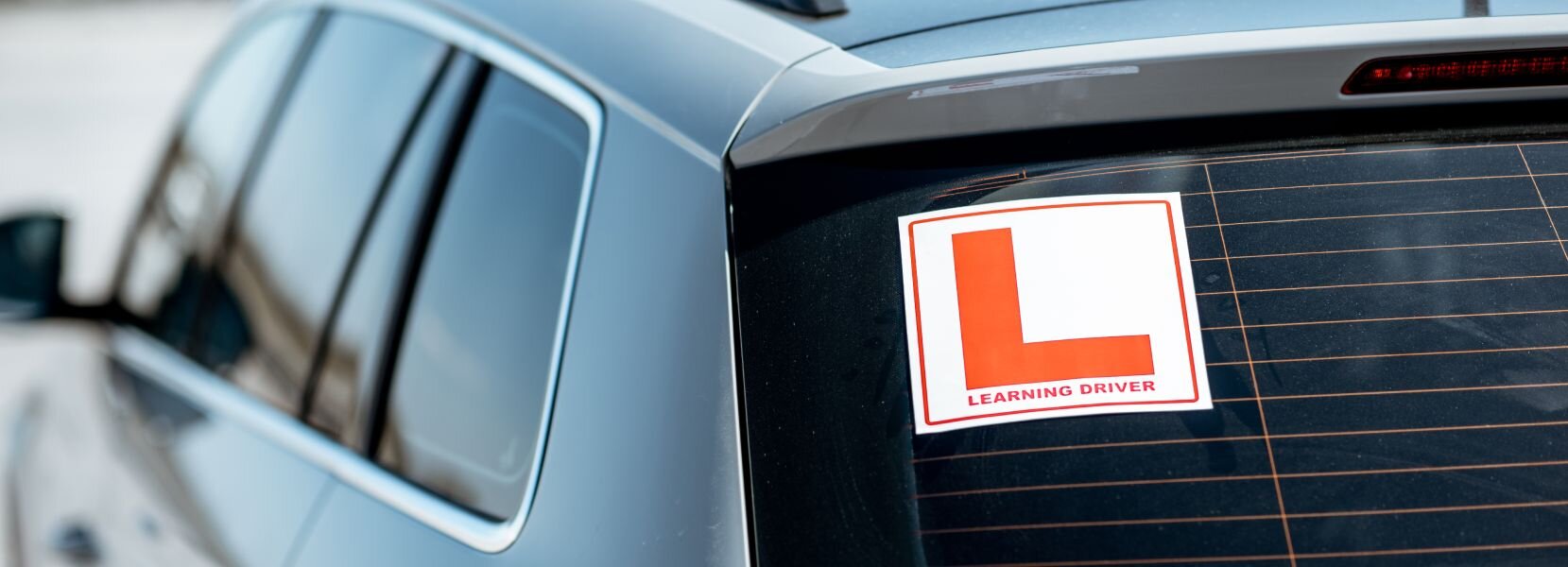
L plates (or D plates in Wales) must be displayed clearly at the front and rear of the vehicle in a position that doesn’t obstruct the driver’s view. They should be removed when a full licence holder drives the car.
L plates must be the correct dimensions too. Failure to follow the rules can result in a fine or 6 points on your driving licence.
It’s important to know why L plates are needed and the legal requirements around them.
It’s a legal requirement to have insurance when practising driving with family or friends in the UK. If you’re lucky enough to be practising in a car you own, you’ll need your own insurance, and your family member or friend will usually be covered on this.
If, as is more likely, you’re practising in someone else’s car, you’ll need to either:
If you don’t have learner driver insurance, you can get an unlimited fine, be banned from driving, and get up to 8 penalty points on your licence.
Related tags:
Learner DriverLearner Driver InsuranceIn the UK, the standard age to commence driving lessons is 17, unless receiving the enhanced rate of the Personal Independence Payment (PIP) mobility component, which permits lessons from 16. A valid provisional driving licence is required before starting.
At 16, you can take a moped theory test, but must be 17 for a standard car theory test, unless receiving the higher rate of PIP or DLA, which allows you to take it at 16. A valid provisional licence, applicable three months before turning 17, is required to book and take the test.
Start your driving journey by acquiring a provisional licence and enrolling in a reputable driving school. Familiarise yourself with the Highway Code to comprehend traffic rules and vehicle safety. Prioritise building confidence and skills over speed, staying aware of your surroundings. Remember, driving is a responsibility; focus on safety and competence, not impressing others. Some learners like to practise in a familiar car.
Start your driving journey by understanding the basics and choosing the right transmission. Begin theory study early and consider an intensive course for focused training. Partner with a seasoned instructor and practice between lessons to reinforce skills. Learn from mistakes and persevere, remembering that quick learning requires intensive effort.
To pass the driver's test, gain a thorough understanding of your car's operation and acquire ample practical driving experience. Master fundamentals such as road observation, speed maintenance, and gentle braking. Exercise caution at traffic lights and stop signs, ensuring a complete halt where required. This blend of knowledge and practice greatly enhances your chances of passing the test. Being familiar with the local roads around your driving test centre can also male a difference.
The most challenging aspects of a driving test often include handling complex junctions and manoeuvres like parallel parking. Common mistakes stem from inadequate observation, misjudging speed or distance, and failing to anticipate other road users' actions. Nerves can exacerbate these issues. To succeed, remain calm, observe carefully, stay aware of your surroundings, and practice frequently. Don't rush; safety should always be prioritised.
Learning to drive offers the freedom of independent travel, marking a significant step towards adulthood. It encourages a proactive mindset, teaching valuable skills like time management, journey planning, and informed decision-making on the road. This boosts confidence and enhances responsibility. So, prepare to navigate your way to independence!
In the UK, the Driver and Vehicle Standards Agency (DVSA) suggests an average of 45 hours of professional driving lessons and 22 hours of private practice to learn to drive. However, the actual time varies depending on your learning pace, experience, and practice level. The number of lessons isn't fixed; readiness for the test depends on your ability, practice, instructor guidance, and willingness to take tests.
Related tags:
Learner DriverLearner Driver InsuranceWe also currently hold an ‘Excellent’ rating on Trustpilot with over 50,000 reviews.