Driving Tips
What is a variable speed limit?
How do variable speed limits work and what are the penalties?
Ryan Barham
Last updated: 04/06/2026
Ryan Barham
Last updated: 04/06/2026
Every driver is aware of speed limits while driving on UK roads, but some may be left confused by variable speed limits.
What are they, why do they exist and what are the penalties for breaking them? Let’s discuss…
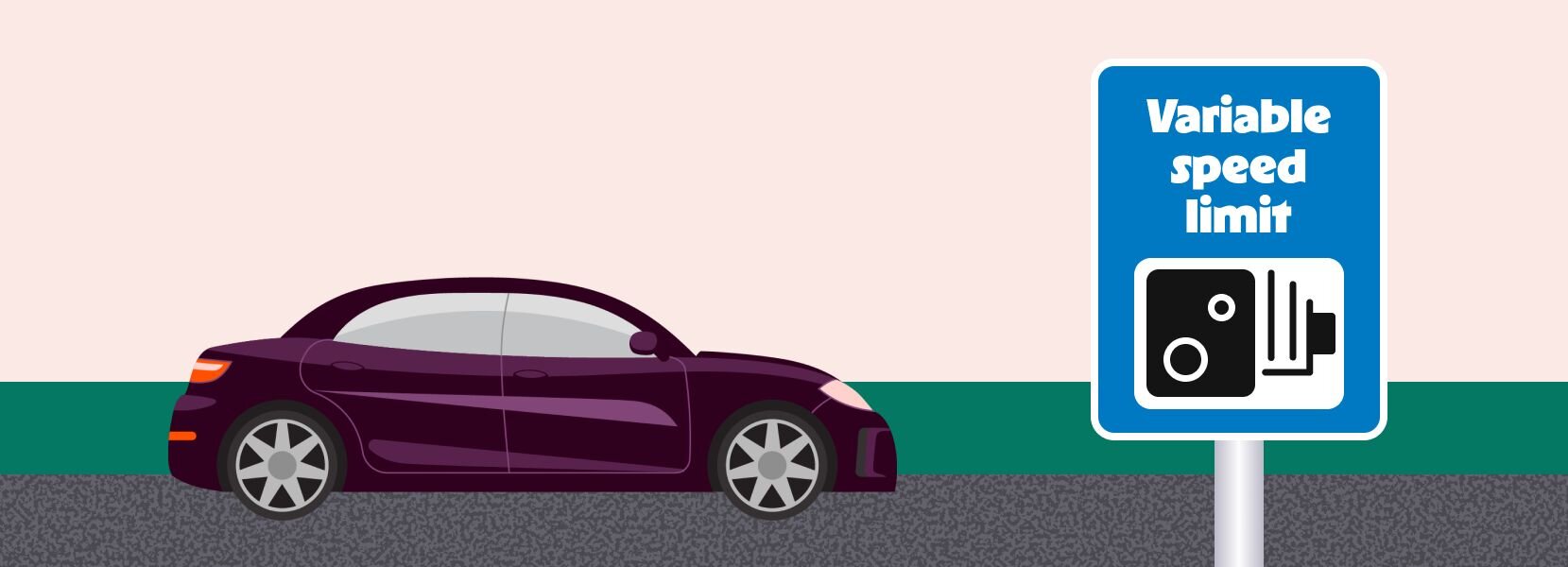
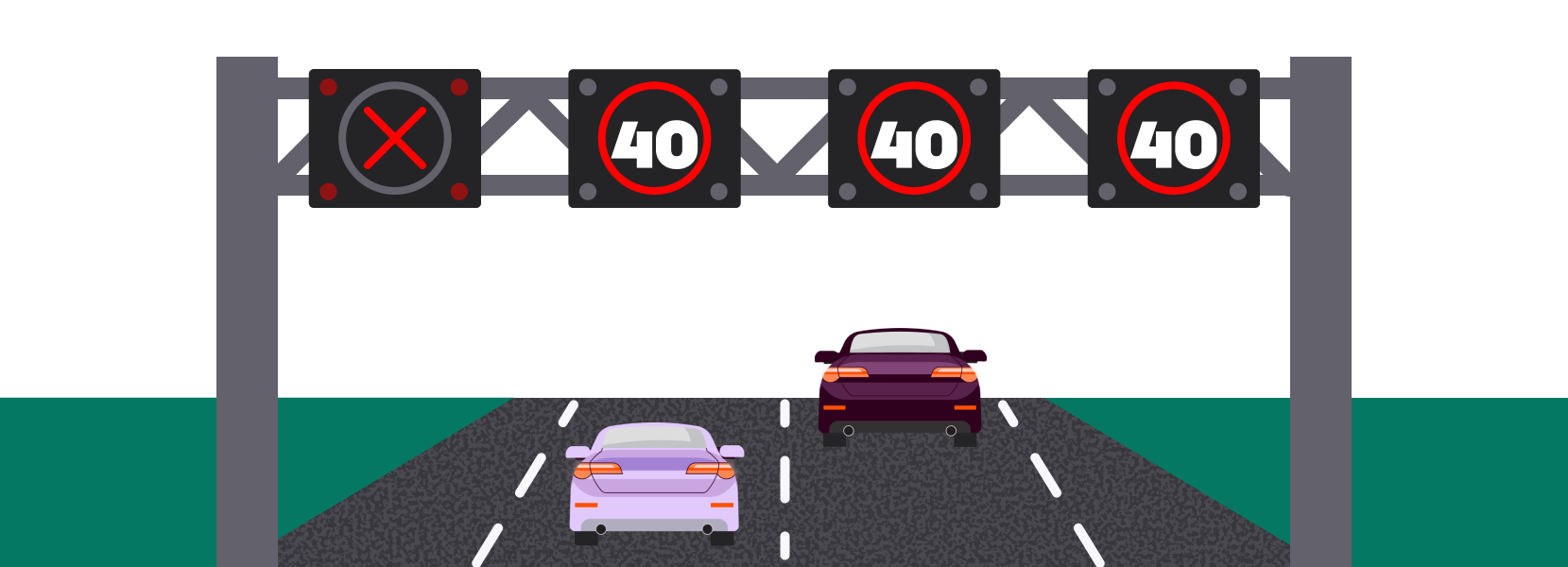
Set and managed by National Highways, variable speed limits are legally enforceable, temporary limits designed to help keep drivers safe and improve traffic flow. Variable speed limits are displayed on overhead gantries or signs. They are most commonly used on the following roads:
Any speed limit displayed within a red circle must be adhered to.
We know driving at slower speeds than usual can be frustrating but a reduced speed such as 50 or 60mph can actually help prevent stop-start congestion. Variable speed limits can be used to address congestion issues at certain times of day in addition to managing traffic safely after an incident.
National Highways states: ‘The reason may not always be clear or evident to customers on our roads, but the displayed mandatory speed limit is always enforceable, irrespective of the reason for it. We do not need to justify, or provide reasoning for, a lowered speed limit for that limit to be legally enforceable by the police.
Whatever the reason for the setting, speed limits displayed within a red circle will always be enforceable.’
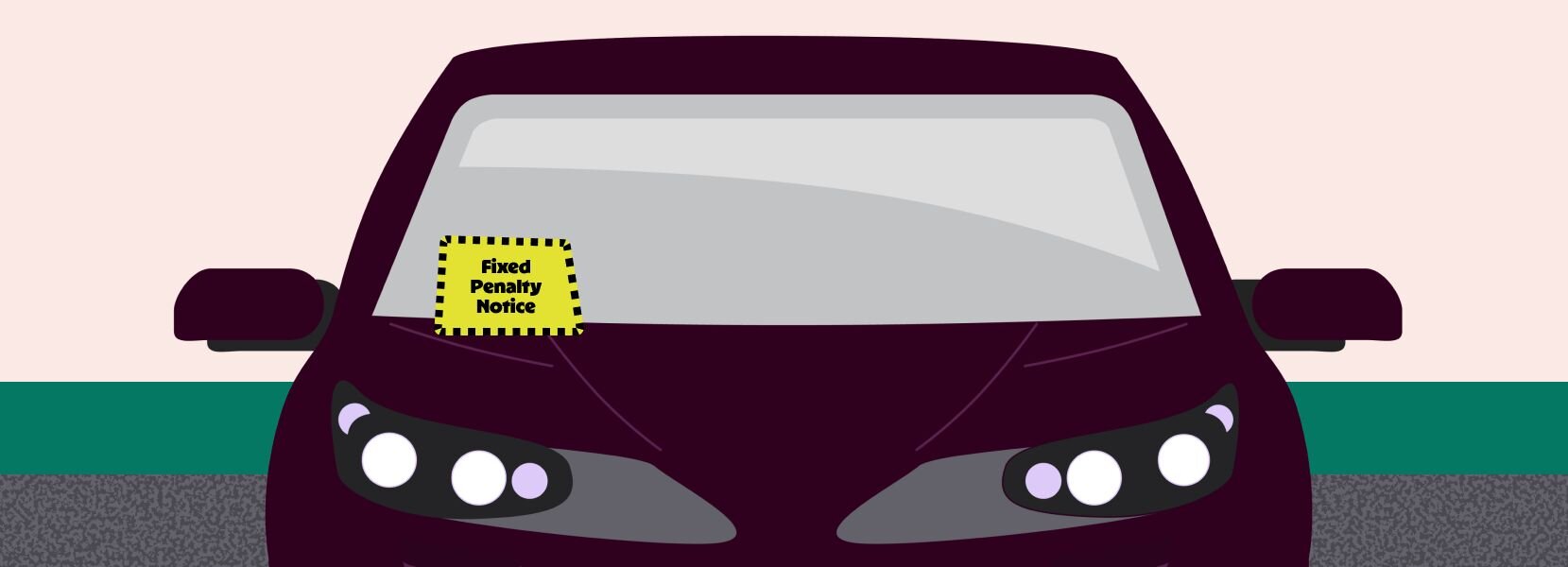
The minimum penalties for breaking a variable speed limit are:
Driving significantly over the speed limit can lead to court summons and higher fines.
Variable speed limits are displayed on either illuminated electric signs at the side of the road or on overhead motorway gantries. They will let you know when a VSL is in use and when it ends.
All speed limits within a red circle must be complied with. If you drive above this speed, you could receive one of the penalties listed above.
If you can see a blank screen or it is unlit, you must adhere to the instructions shown on the previous screen.
You’ll know when you can drive at a faster speed as you will see ‘variable speed limit ends’ signs on display.
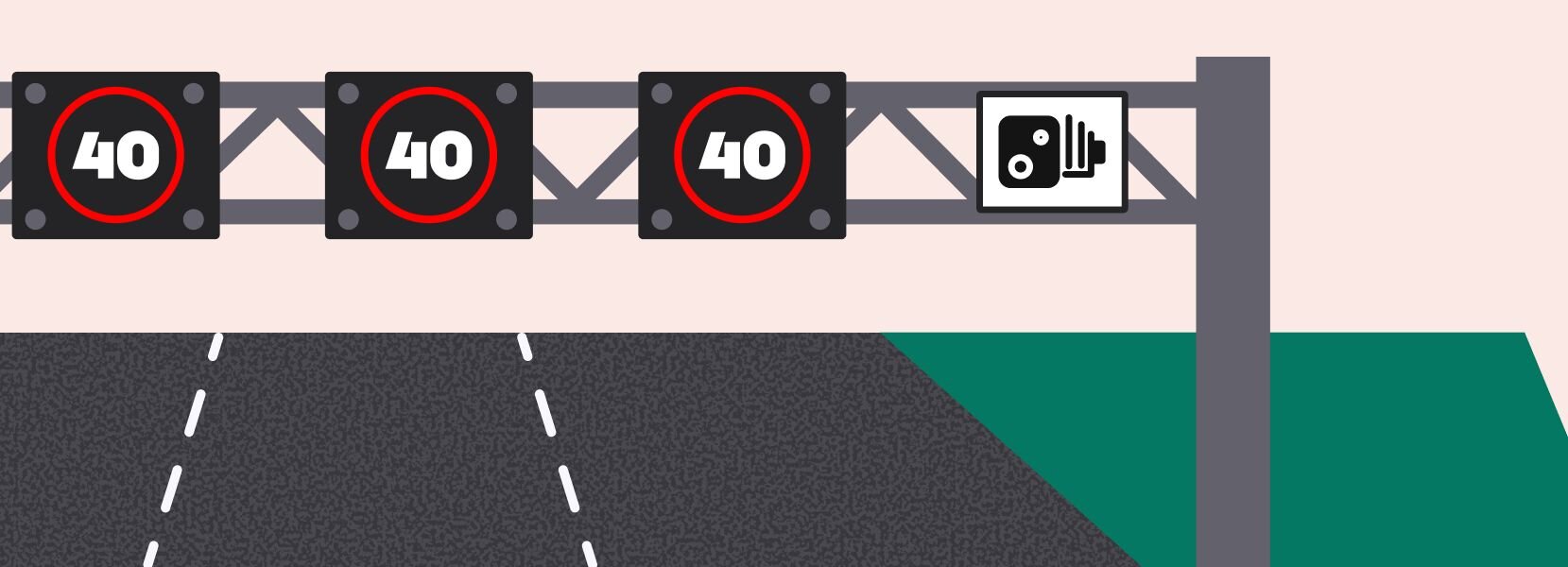
According to Road Angel, ‘Variable Speed Limit Cameras or HADECS operate within the Smart Motorways and are either positioned to the side of the overhead gantries or in the back of them’. HADECS is the acronym for Highways Agency Digital Enforcement and Compliance System.
The HADECS cameras can sometimes be yellow and displayed in an obvious area, but can also be grey and positioned in harder-to-spot, more discrete areas e.g. the side of gantries. HADECS 3 cameras are able to cover up to five lanes of a motorway using a weatherproof dual radar system and are automatically calibrated to change when they take photos based on the changing speed limit.
These cameras can also catch vehicles driving over the national speed limit, even when they’re not displaying anything.
National Highways confirmed that there is a minimum time delay between any changes to the variable speed limit displayed and its enforcement. This is to ensure driver reduce their speed in a safe way.
If you want to stay safe while driving in a variable speed limit zone - and avoid penalties for speeding - you should bear in mind the following tips:
While we all live busy lives and have places to be, keeping safe on the roads is key. If you find yourself driving on a road with a variable speed limit, you should do your best to drive according to its instructions.
Doing so can help you avoid being involved in an accident and improve the traffic flow - meaning you could get where you need to go with ease. Need some quick cover for your next journey? Don’t forget to take out temporary car insurance.
https://nationalhighways.co.uk/road-safety/variable-speed-limits/
https://roadangelgroup.com/blogs/news/smart-motorways-and-variable-speed-limits
https://gogirl.co.uk/news-and-advice/variable-speed-limit-fines/
https://www.sabre-roads.org.uk/wiki/Variable_Speed_Limit
https://uk.news.yahoo.com/variable-speed-cameras-how-work-effective-181432540.html?guccounter=1
https://www.rac.co.uk/drive/advice/cameras/motorway-cameras/
We also currently hold an ‘Excellent’ rating on Trustpilot with over 50,000 reviews.