Driving Tips
The meanings of the UK's road markings
What do different road markings indicate?
Ryan Barham
Last updated: 03/06/2026
Ryan Barham
Last updated: 03/06/2026
We’re all used to spending time on the roads and following sat nav directions, looking for signs and being considerate of other road users, but do you ever look on the floor and really take notice of road markings?
While some may be worn and have faded over time, The Road Traffic Act 1988 declares roads must be safe for users - meaning if an accident happens due to a lack of road markings, or their poor quality, the responsibility could lie with those in charge of road maintenance.
Back in January, The RAC reported that 92% of drivers believe faded road markings make driving more dangerous.
Whether faded or not, even the most experienced driver can suffer from ‘line blindness’ so it’s important to keep up to date with the meanings of road markings. Doing this will help you keep safe - and avoid fines - while on the road.
Driving test success explains that road markings ‘serve as visual instructions and play a vital role in:
Tempcover recently surveyed 2,000 UK drivers [1] to see how well they know some of the country’s road markings:
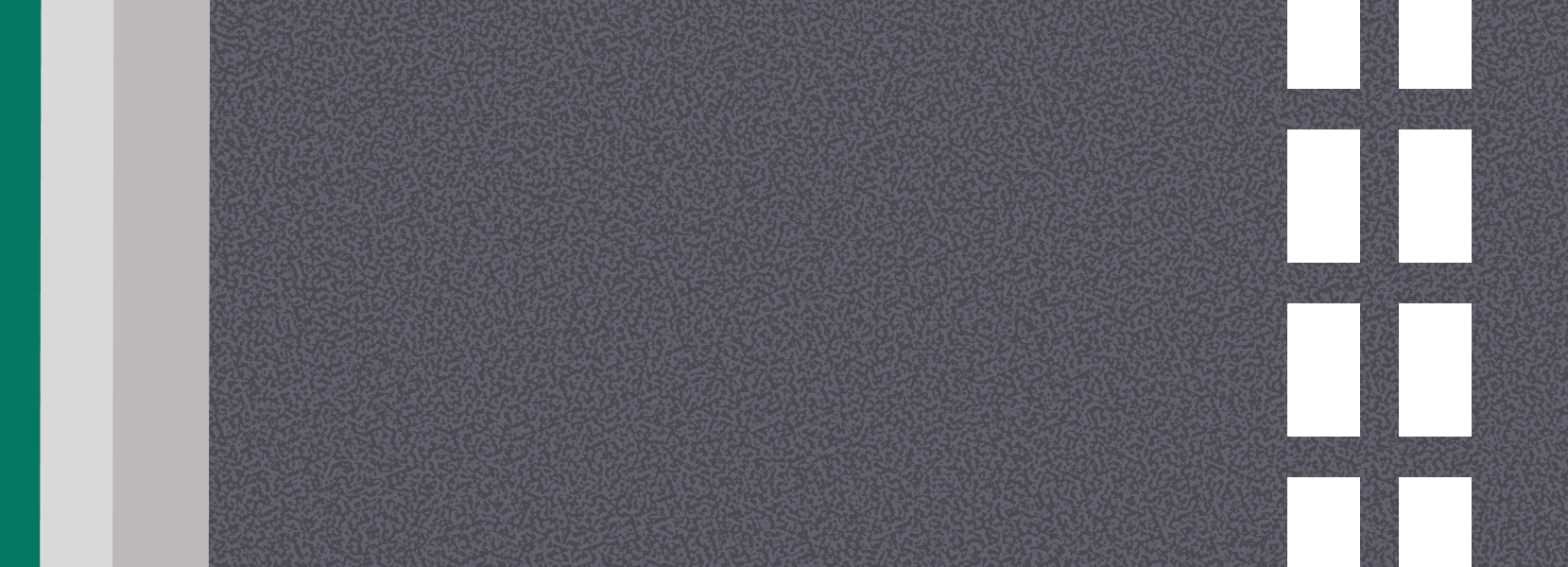
Found down the centre of the road, white road markings can be described as the following:
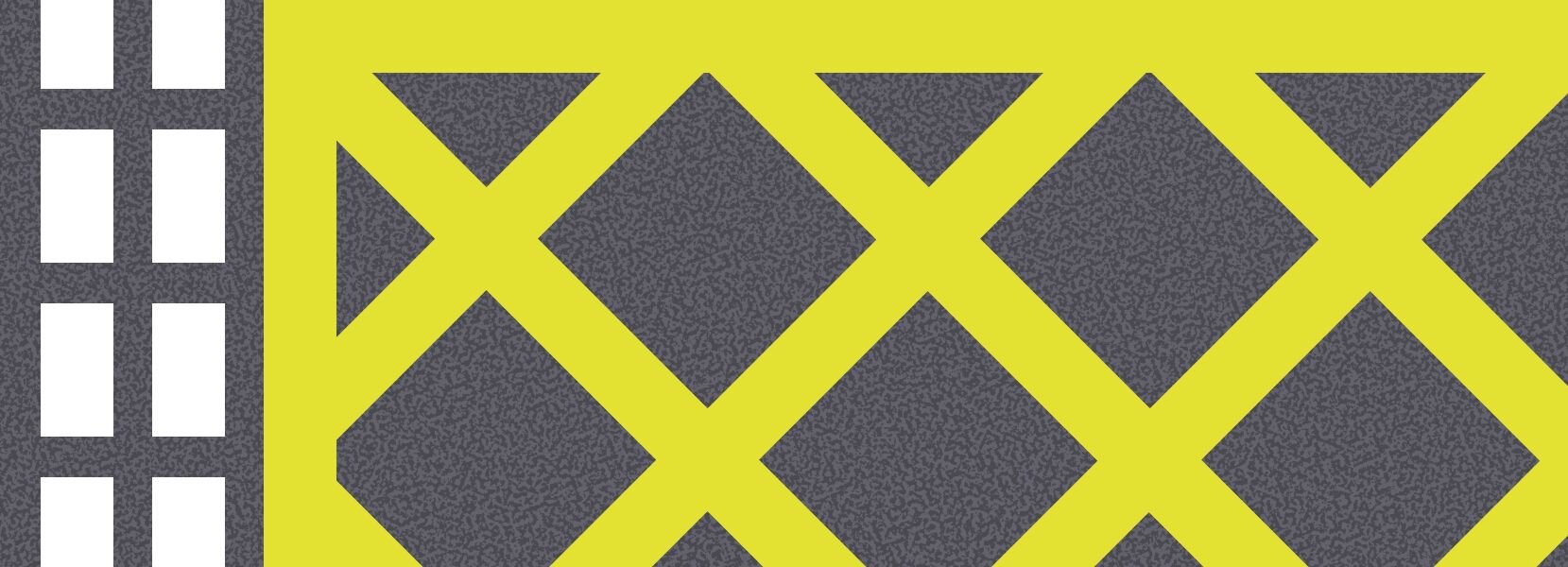
Hatched road markings with white diagonal lines are found when junctions or roads merge. They’re designed to keep traffic apart and must not be entered unless you are in an emergency.
Zig-zag lines are used to indicate strict zones where there is no stopping. They have been designed to ensure clear visibility for pedestrians and drivers and are found near pedestrian crossings (white) and school entrances (yellow). If the zig-zags are white, parking, waiting and overtaking is prohibited at all times; if they’re yellow the same acts are prohibited at specific times. If you ignore these, you could end up with a fine or penalty points.
Kerb markings are also a feature of British roads. Double yellow lines painted across the kerb tell drivers that loading or unloading is prohibited at all times. They will often be accompanied by a ‘No loading at any time’ sign.
A single yellow line on a kerb indicates that loading and unloading is restricted. The times should be displayed nearby. Drivers can stop to drop off and pick up passengers near these road markings, but must make sure it is safe to do so.
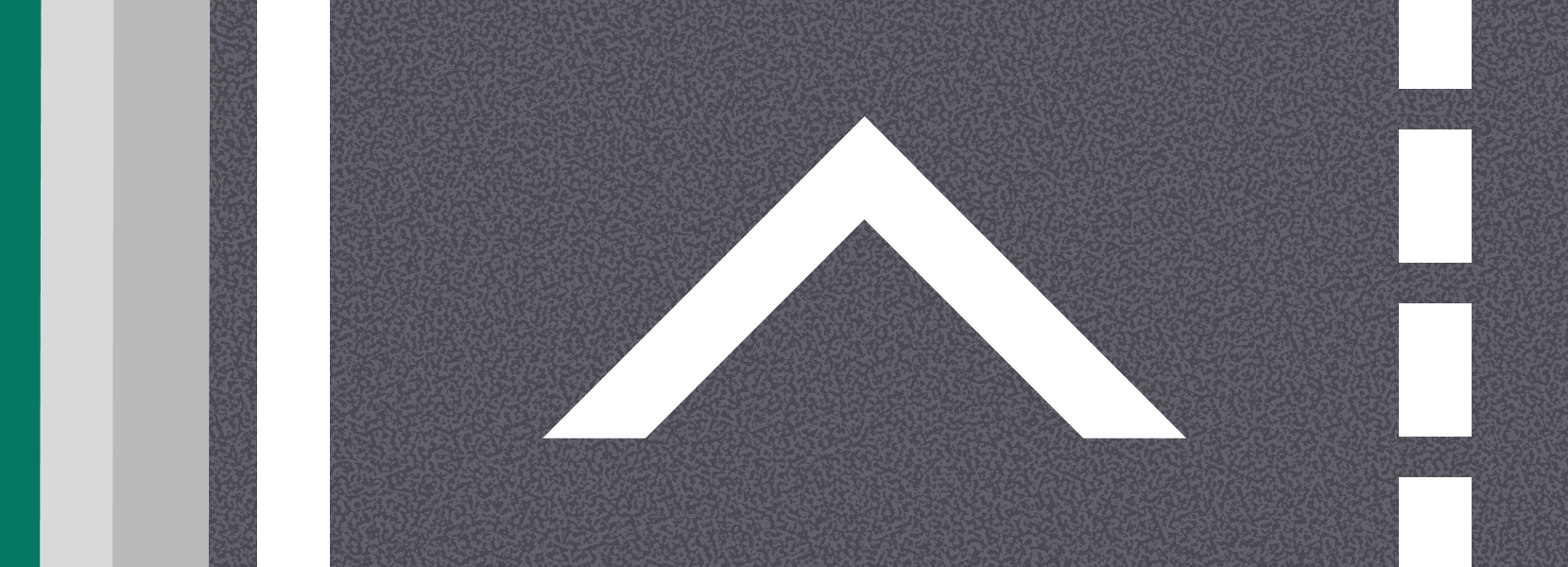
There are also some specialist road markings to watch out for. You might see lanes labelled with the location, road or route ahead on faster roads like slip roads, flyovers, roundabouts and junctions. These are designed to help you move into the correct lane easily.
Chevrons (arrow shapes) on motorways and some A-roads are used to help drivers ensure they're keeping a safe distance. You should keep two chevrons behind the car in front in good driving conditions and more if there is adverse weather.
When driving at night, you’ll have noticed cat’s eyes embedded in the road. These reflective road studs reflect the headlights of oncoming vehicles, improving visibility to keep drivers safe. They come in various colours:
These colour-coded cat’s eyes are critical for road safety, providing clear guidance to drivers, particularly on fast-moving roads like motorways.
And yes, the inventor Percy Shaw was inspired by a real-life cat when he noticed his car’s headlights reflecting in its eyes all the way back in 1933.
We can’t talk about road markings without discussing yellow lines...
Often found on residential streets, a single yellow line indicates drivers should not wait in the section at the times displayed on a nearby sign. If you can’t see a sign, the restrictions will apply at all times.
A double yellow line means no waiting at any time. These are found on busy roads and sometimes have seasonal restrictions.
You can often park in the rectangular bays made of broken lines, but make sure you look at any limitations or restrictions on nearby signs. There are also loading bays and named bays to watch out for.
Normally found near shops and on high streets, loading bays will have the words ‘loading only’ written along the edges of them and a sign displaying whether parking is limited to goods vehicles only.
Named bays are reserved especially for emergency services such as doctors or police, and will have the profession written down. You may also find some for car-sharing services accompanied by the words ‘car club’.
Now that you've refreshed your knowledge of road markings, you can wow your passengers with all kinds of facts on your next road trip. If you want to share the drive, don’t forget to take out temporary car insurance.
[1] This online survey of 2,000 UK drivers was commissioned by RVU on behalf of Tempcover and conducted by market research company OnePoll, in accordance with the Market Research Society's code of conduct. Data was collected between 29th January and 3rd February 2026. All participants are double-opted in to take part in research and are paid an amount depending on the length and complexity of the survey. This survey was overseen and edited by the OnePoll research team. OnePoll are an MRS Company.
https://www.gov.uk/government/publications/know-your-traffic-signs/road-markings
https://www.highwaycodeuk.co.uk/lines-and-lane-markings-on-the-road.html
https://drivingtestsuccess.com/uk-road-markings-explained/
https://www.passmefast.co.uk/resources/rules-of-the-road/driving-law/uk-road-markings
https://www.gov.uk/guidance/the-highway-code/road-markings
https://www.highwaycodeuk.co.uk/lines-and-lane-markings-on-the-road.html
https://www.cambriancards.com/15-road-markings-and-their-meanings/
https://www.cinch.co.uk/guides/ask-the-experts/confusing-road-markings
Road markings should be kept clean and visible for a number of reasons. Most importantly, they keep road users safe and help them navigate through their journeys. Secondly, in-car technology like lane keep assist relies on cameras to read the lines and may fail to read them if they’re faded. Third, under the Road Traffic Act 1988 authorities have to ensure roads are of a safe standard.
The jagged zig-zag lines found on roads are no stopping zones that help drivers, passengers and pedestrians stay safe. White zigzag lines let pedestrians see oncoming traffic and drivers see passengers who may step out onto the road, while yellow zig-zags are normally found outside school entrances. They let children see what’s coming on the road in both directions, with operation times listed on a nearby sign.
Related tags:
Temporary Car InsuranceWe also currently hold an ‘Excellent’ rating on Trustpilot with over 50,000 reviews.