Insurance Tips
What to do if you hit a car?
The penalties for not stopping after clipping a car
Ryan Barham
Last updated: 23/06/2026
Ryan Barham
Last updated: 23/06/2026
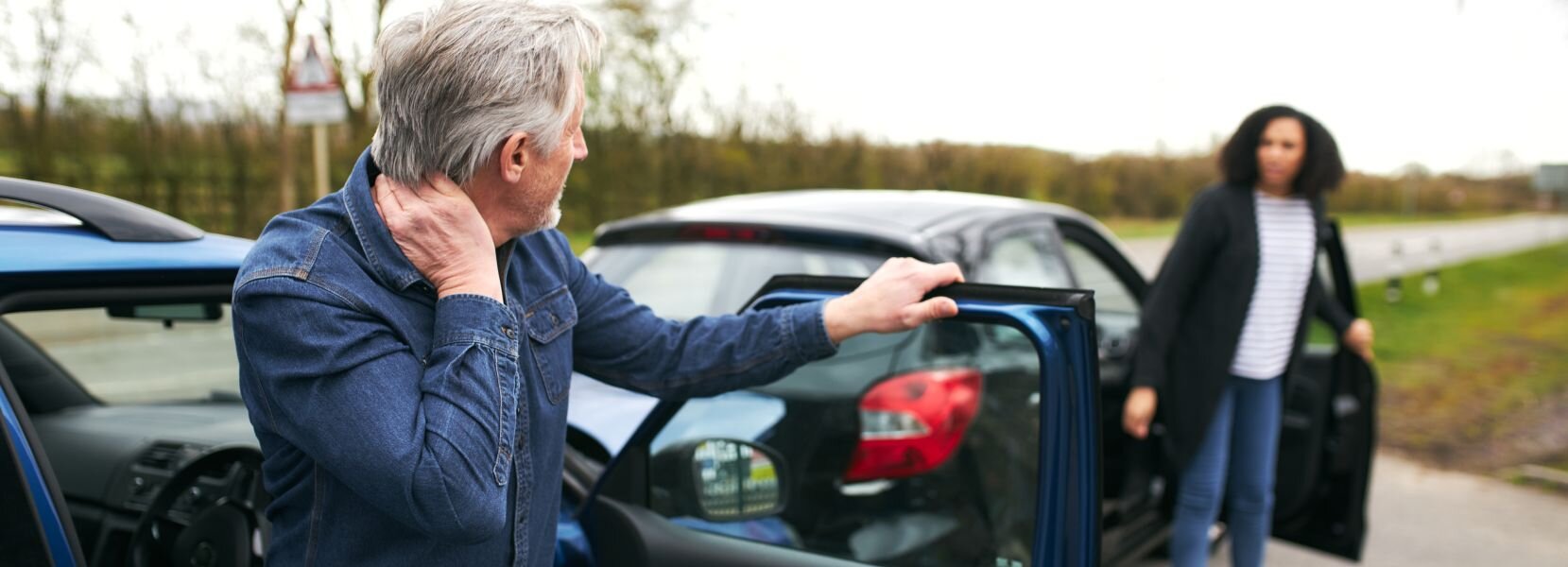
Anyone can be involved in a car accident or incident, but it’s important to know what to do in the aftermath - whether you’re at fault or not.
This applies to every type of car accident, from scraping a car in a supermarket car park to hitting another vehicle on a busy road.
The process is the same, no matter the severity of the accident or incident.
We go back to Section 170 of the Road Traffic Act 1988: it’s a criminal offence to drive away if you have caused damage to another vehicle.
If you do, for example, clip a car in one of those oh-so-small car park spaces, you should either try to exchange details with the owner or report the incident to the police within 24 hours.
If you can’t talk to the other driver in person, leave them a note:
It’s recommended you leave both a note and contact the police on 101 to ensure the issue is accurately logged.
While there is no strict legal obligation to leave details if you’re certain no damage has been caused, it’s important to note that damage to suspension or body work is not always visible. If a witness saw you hit the car and reports it, you could face prosecution. If there’s any doubt, leave a note.
If the other driver was present at the scene of the incident or accident, you should swap the following details:
You could take photos of their documents rather than writing everything down. This way, it’s both faster and more accurate.
Yes, you’re legally required to provide your name and address at the scene if there has been damage to a vehicle or injury to either party. The Association of British Insurers recommends sharing insurance details at the time as this can help speed up potential claims and show good faith.
You should always call your own insurer first, regardless of who was at fault. Most policies will require you to report any accident, even if it’s for information only. Failing to report an incident could invalidate a policy later on in the process.
If another driver was at fault, your insurer will pursue their insurer for costs on your behalf, You won’t have to deal with them directly.
Some drivers may agree to settle minor damage without involving insurers, as this can protect a no-claims discount. This can work but does have the potential risk of the other party changing their mind, refusing to pay or making a claim against you. If you go down this route, get everything in writing and keep records of the costs.
It can be frustrating and potentially heartbreaking to come back to your car and find it damaged - with no note or witness - but there are steps you can take to attempt to resolve the situation:
You should report the incident to the police via 101. If the driver didn’t leave their details, it is a hit-and-run offence. You’ll then receive a crime reference number which you can pass over to the insurer when notifying them of the incident.
If the other driver can’t be traced, you might need to claim on your own policy. This could affect your no-claims discount and require you to pay your excess. Depending on the level of the damage, it might work out cheaper to get the vehicle repaired at a garage. Get some quotes before deciding on the best course of action.
If you’ve been hit by an uninsured driver or one who can’t be traced, you can make a claim through the Motor Insurers’ Bureau (MIB), a not-for-profit organisation set up to help compensate victims of uninsured and hit-and-run drivers. To make an MIB claim, you should do the following:
Please note that MIB claims are subject to a £300 excess. If you were partly at fault, your compensation could be reduced or rejected.
If you are driving somebody else’s car and are involved in an accident, it’s likely that any claim will go against the car owner’s insurance policy, not your own. This means it will be their no claims discount that is affected.
Take out temporary car insurance to protect the driver’s no claims discount. Available from 1 hour to 28 days, it can be sorted in minutes - so you can get moving with complete peace of mind.
https://www.gov.uk/vehicle-insurance/if-youre-in-an-accident
The first thing you should do in a car accident is check for injuries. If you or anybody else is injured, call 999 or ask someone nearby to call for you. If the injuries are serious, try not to move and wait for emergency services to arrive. Always prioritise your safety and seek medical attention if needed. If the injuries are not serious, call 101.
Yes, you must report if you hit a car. You need to personally report the incident to the police as soon as possible, and definitely within 24 hours of the collision. No one else can report it for you. This requirement is part of the Road Traffic Act 1988, Section 170.
Yes, failing to report a car accident is a criminal offence under the Road Traffic Act 1988. If you are involved in an accident causing injury or damage, you must report it to the police within 24 hours. Failing to do so can lead to penalties, including imprisonment. Always notify your insurer as part of your obligations, even if you don’t plan to make a claim.
Failing to stop after a minor car accident is a crime in the UK. If the other driver leaves the scene, report it to the police within 24 hours. Gather information from witnesses and note details about the vehicle or driver if you can, as this information can help with any investigation and potential insurance claims.
Leaving the scene after hitting a car is a ‘hit and run’, a criminal offence in the UK. You could face fines, penalty points, a driving ban, or even imprisonment. Police may trace your vehicle using witnesses or CCTV. You should always stop and exchange details, even if the damage seems minor or the other car was parked. Failing to do so can have serious consequences.
After a car accident, legally, you must exchange names, addresses, and insurance details with the other drivers involved. You should also gather information from any independent witnesses. If a driver won't share details, your insurer might trace them using their vehicle registration number. Inform your insurer immediately about the accident, even if you don't plan to claim.
Never admit fault after an accident, even if you believe you caused it. Admitting fault can impact your insurance claim, leading to your insurer covering damages, which might increase your premiums. It can also affect your driving record. Investigations determine fault, so let your insurer handle it. Always exchange details and gather evidence, but avoid discussing blame.
If you're in a car accident, ensure everyone's safety first by checking for injuries. Move to a safe location if possible. Exchange details like names, addresses, and insurance information with the other driver. Stay calm and take photos of the scene. Notify your car insurance provider about the accident as soon as possible. Always report the accident to the police within 24 hours if there are injuries.
You must declare a non-fault accident to your insurer, even if you're not making a claim. This is required as insurers need a complete history of your driving record. Typically, insurers expect you to report any accidents that occurred in the past three to five years. Check your specific insurance policy for exact requirements, as these can vary.
No, you are not legally required to stop if you only witness an accident and are not involved. In the UK, bystanders have no legal duty to assist or provide details if they weren't directly part of the incident. However, if you were one of the first on the scene and the accident seems severe, you might want to help and put yourself forward as a witness.
It's usually not too late, but your chance of a successful claim decreases the longer you wait. Insurers often require you to report incidents ‘as soon as possible’ or within a specific timeframe. For car accidents, this is often 24 to 48 hours. Each policy outlines its own notification period, so check your documentation to ensure compliance with your insurer's requirements.
Yes, you could lose or reduce your No Claims Bonus (NCB) if someone hits your parked car. If the other driver is identified and their insurer covers the costs, your NCB should remain unaffected.
Reversing drivers are often assumed to bear more responsibility, as you're generally required to give way when moving backwards. However, fault isn't automatic. If the other driver was speeding, parked illegally, or moved into your path unexpectedly, they may share some or all of the blame.
Whatever happened, follow the same steps: stop, exchange details, photograph the scene, and notify your insurer. Don't accept blame at the scene. Let both insurers review the evidence. Dashcam footage can be particularly useful in reversing disputes.
Related tags:
Temporary Car Insurance